29 Sep, 2026
What lies behind a telecommunications network?
What lies behind a telecommunications network?
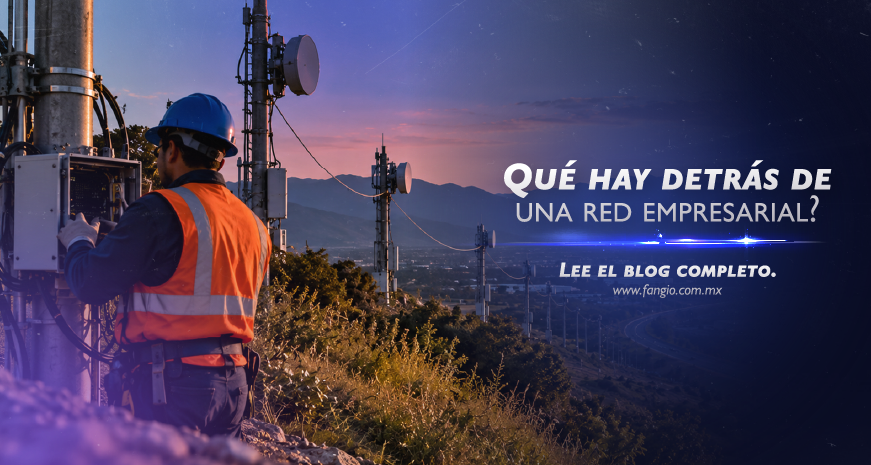
A telecommunications network neither begins when the first cable is installed nor ends when it goes live. Behind reliable infrastructure lies a chain of planning, engineering, permitting, construction, supervision, and maintenance that must be properly coordinated to meet the technical and operational needs of each project.
1. Engineering and planning
Every project begins with an assessment of the environment and connectivity objectives. Fangio Telecom develops engineering designs and feasibility studies to define routes, capacities, technologies, and implementation requirements. For microwave projects, for example, site surveys, line-of-sight analysis, and specific link planning are also taken into account.
2. Construction and implementation
Once the engineering is defined, execution begins. Fangio Telecom has experience with aerial and underground fiber optic networks, metropolitan networks, microwave systems, wireless solutions, and inside plant infrastructure. Infrastructure construction requires technical coordination, quality control, and environmental awareness to ensure the network is ready for reliable operation.
3. Supervision, management, and maintenance
Network operation requires ongoing monitoring after deployment. Fangio Telecom’s services include network supervision and management via a Network Operations Center (NOC), as well as preventive and corrective maintenance. These activities allow for the monitoring of infrastructure operations and the addressing of incidents or adjustment needs as the project evolves.
4. Infrastructure auditing and evolution
Existing networks also require evaluation. Audits allow for the review of operating conditions and the identification of areas for improvement, providing the information needed to make decisions regarding rehabilitation, expansion, or modernization. This perspective is particularly relevant for projects requiring continuity, scalability, and the efficient use of existing infrastructure. Experience spanning every stage
With over 32 years of experience in telecommunications, Fangio Telecom has evolved from engineering and permitting services to the integration of solutions and turnkey projects. This capability allows us to support the various stages of a network's lifecycle, from conception through to operation and maintenance.
Let’s discuss your infrastructure.
Learn more about our telecommunications solutions at www.fangio.com.mx
Source: Fangio Telecom Corporate Profile 2026.
Categories
- •User Tips
- •News and Updates
- •Social Responsibility
- •Services
- •Technology and Trends